
Why Nonograms Are the Fastest-Growing Logic Puzzle of 2026
The numbers are in, and the quiet grid-and-numbers puzzle is outpacing the rest. Here is what is driving the nonogram’s rise, and why it is more than a passing trend.

The short version: across app stores, game consoles and puzzle books, nonograms are growing faster than almost any other logic puzzle right now — and the market research agrees. But a number on a chart is only half the story. The more interesting question is why a puzzle invented in the 1980s is having its biggest moment in 2026.
We publish nonogram books for a living, so we have watched this happen up close. Here is what the data actually says — and the four reasons we think the humble nonogram is winning.
The numbers behind the boom
The wider puzzle market is booming. Grand View Research puts the games-and-puzzles market at USD 26.3 billion in 2026 and names puzzles the single fastest-growing segment, at a projected 22.4% a year through 2033. Zoom in on logic puzzles and the nonogram leads: industry reports flag it as the fastest-growing format in the category, while logic-puzzle downloads climbed roughly 19% year on year in 2026.
A note of honesty, because we care about it: those growth figures are projections, and market reports vary in rigour. So it is worth pointing at something you can check yourself. Easybrain’s Nonogram.com has passed 50 million downloads on Google Play alone; on Nintendo Switch, Jupiter’s Picross S line has run to nine numbered entries and a steady stream of spin-offs since 2017. That is not a fad — that is a format with staying power.
Why nonograms, and why now?
The reveal is the reward
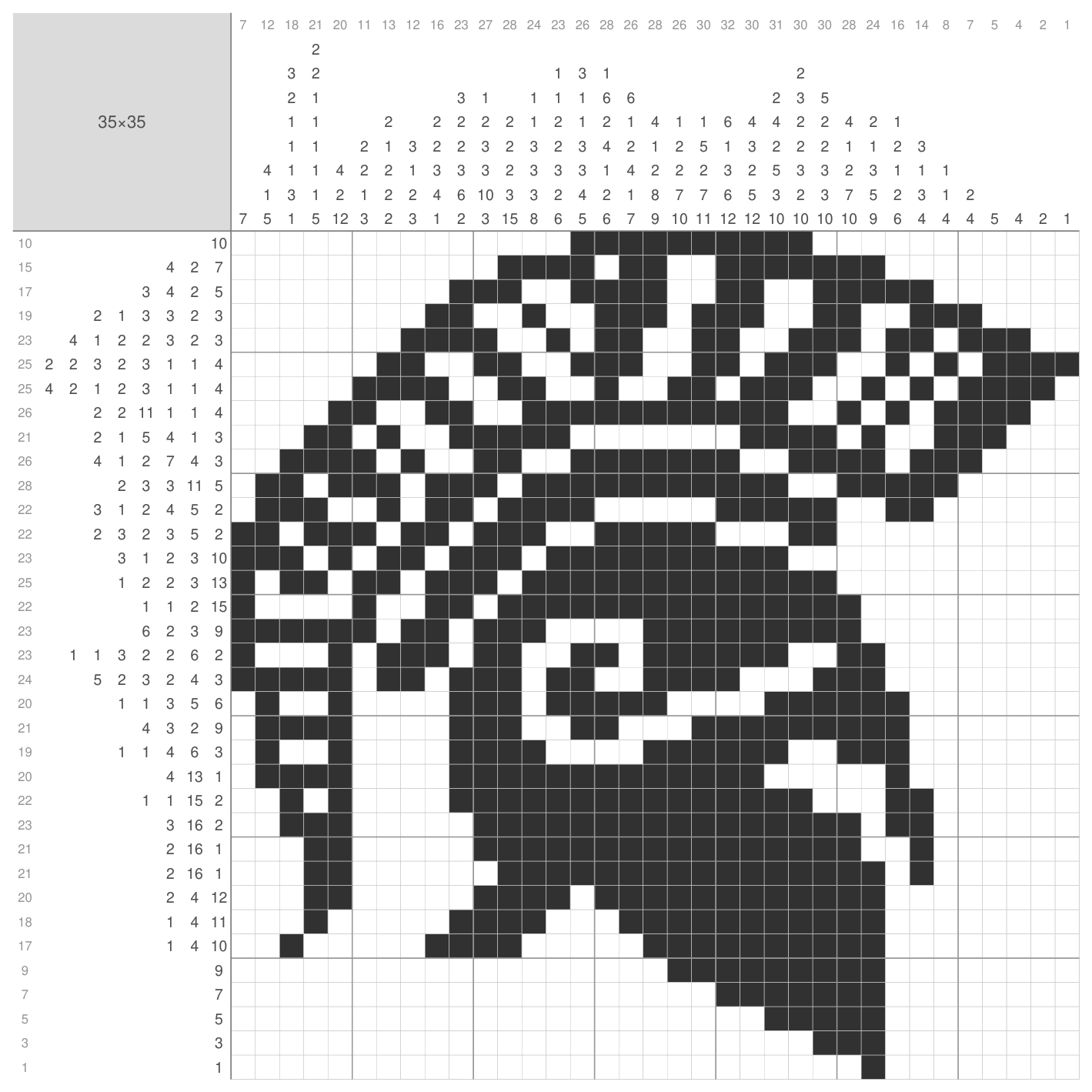
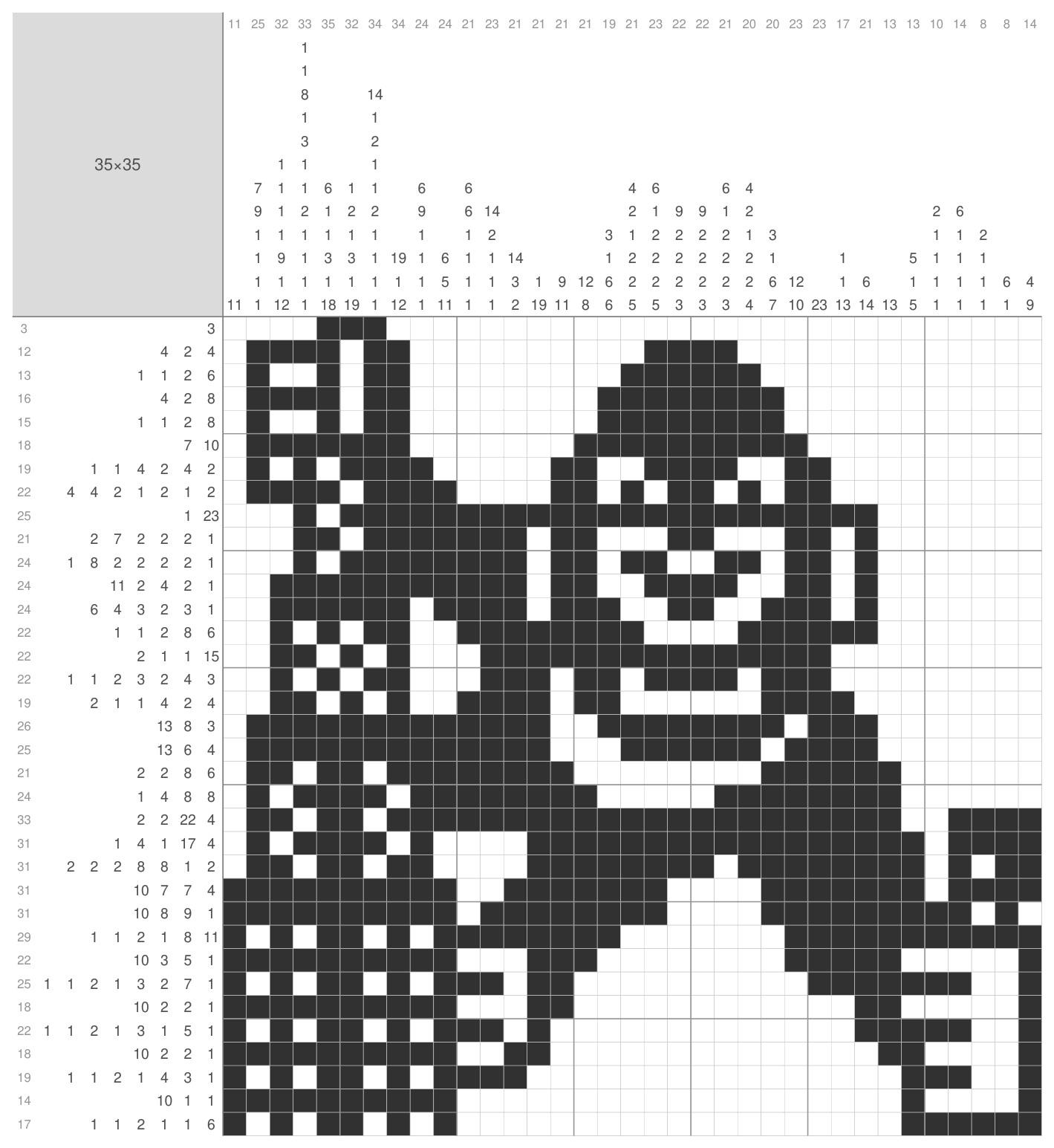
Every nonogram hides a picture. As the logic clicks into place, a shape emerges cell by cell — a cat, a teapot, a tiny rocket. That pixel-art payoff is genuinely satisfying, endlessly shareable, and it gives each puzzle a sense of arrival that a grid of numbers alone never will.
Pure deduction, zero luck
There is no guessing in a good nonogram. The numbers along each row and column tell you exactly how the filled runs must overlap, and from there every square has a reason. It is the same clean, provable logic that draws people to sudoku — with a picture at the end.
It travels everywhere
Phone on the commute, Switch on the sofa, a book by the bed. The nonogram survives the jump between screens and paper better than almost any puzzle, which means it meets people wherever they already are.
Brain-training that does not feel like homework
Solving a nonogram is a quiet workout in pattern-spotting and step-by-step reasoning, but it never feels like a chore. That mix — light on the surface, rigorous underneath — is exactly what the current wave of screen-free, cognitive leisure is reaching for.
A trend with deep roots
None of this is new, which is part of why it lasts. The puzzle appeared in Japan in the late 1980s and spread worldwide under a dozen different names — Picross, Griddlers, Hanjie and more. We tell that longer story here, and untangle the names in one puzzle, many names. A format that has quietly thrived for nearly forty years, across every medium it touches, is not riding a trend. It is one.
Where to start
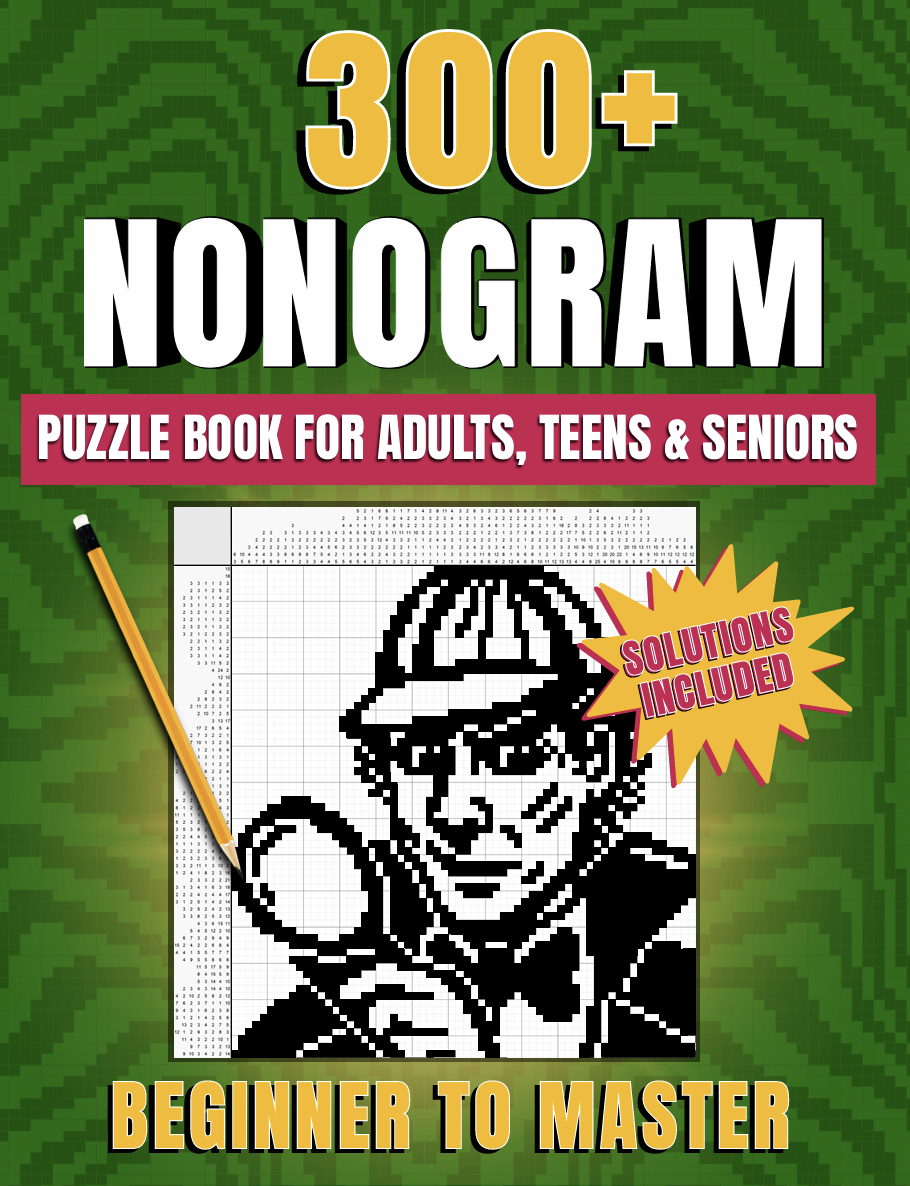
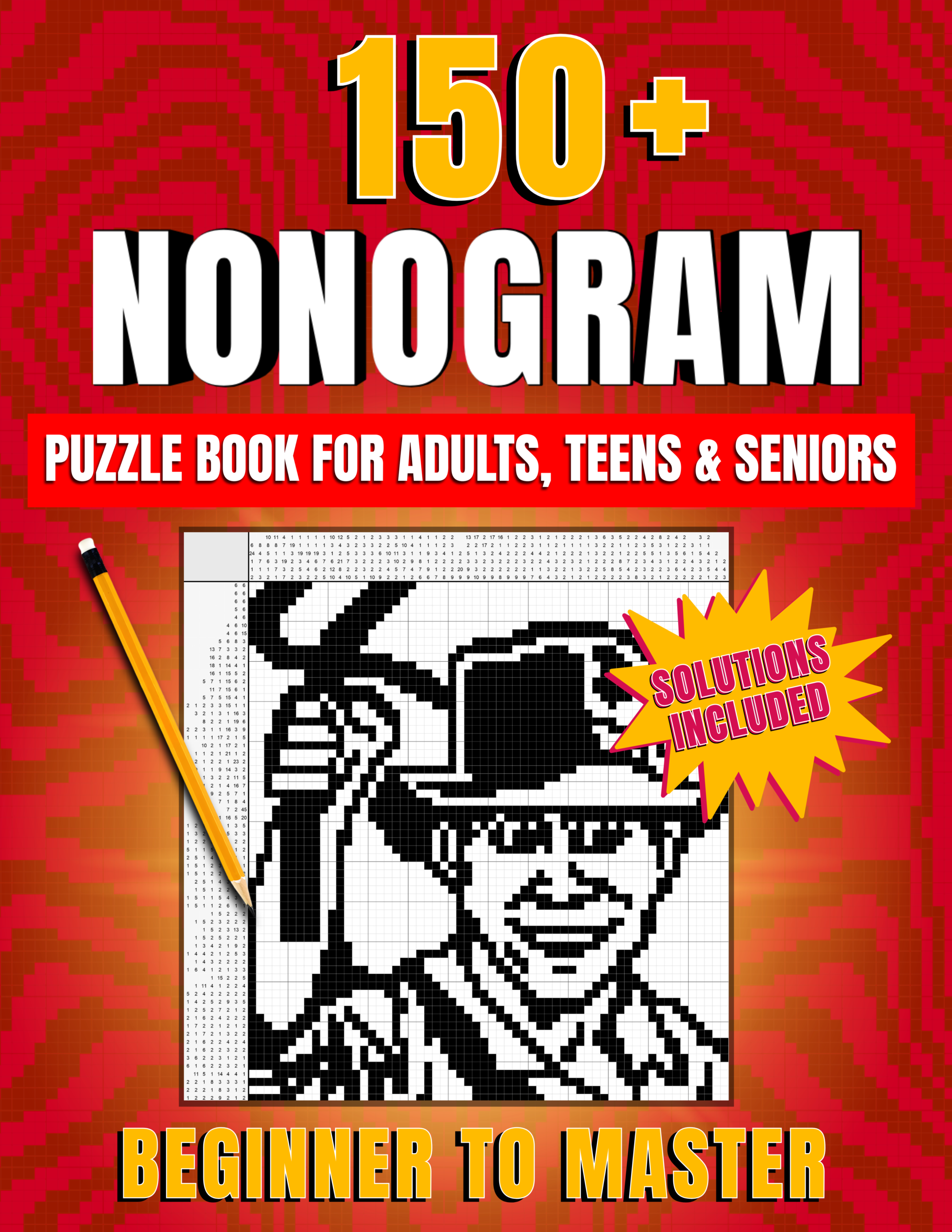
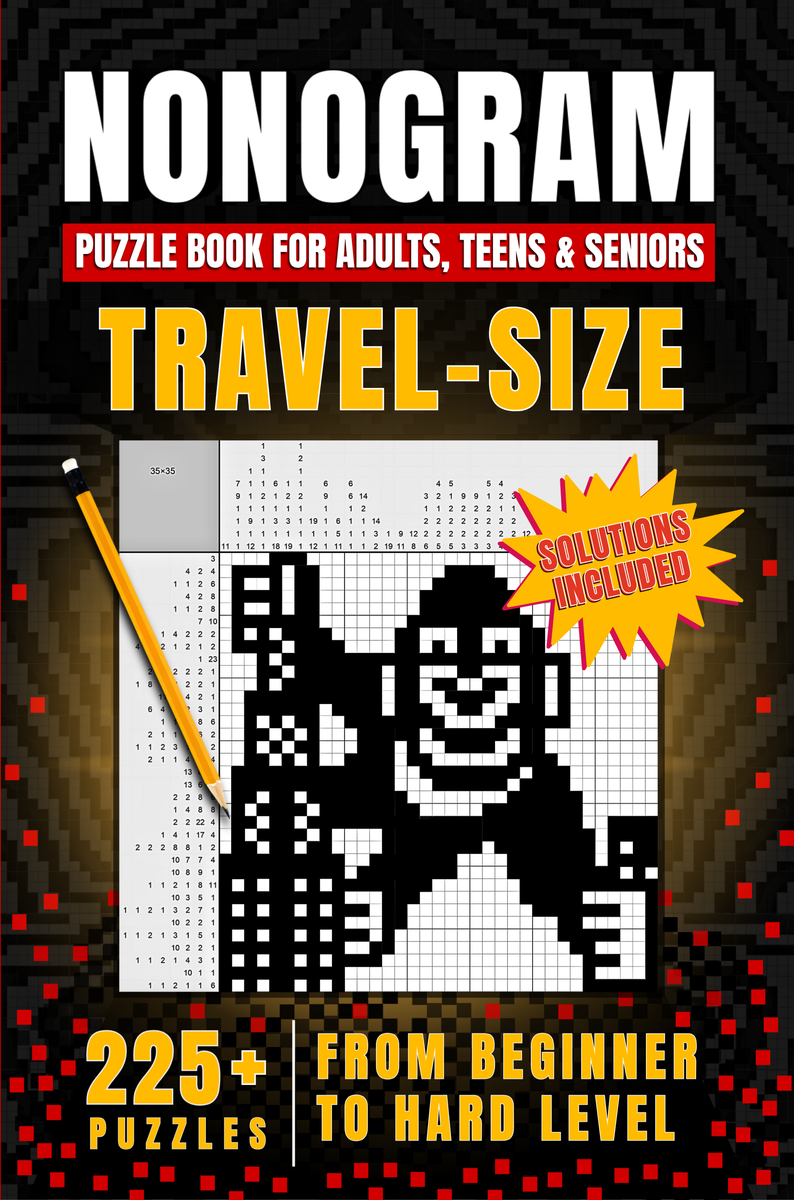
If you have never filled one in, our guide to what a nonogram is starts from zero, and our step-by-step solving guide covers the overlap method and the mistakes every beginner makes. And when you are ready for a proper stack of them, that is exactly what we make.
Frequently asked
Are nonograms really the fastest-growing puzzle?
Among logic puzzles, the market research says yes: nonograms are flagged as the fastest-growing format, and the puzzle segment overall is the fastest-growing part of the games-and-puzzles market. Those are projections — but real-world adoption, from tens of millions of app downloads to a long-running console series, points the same way.
Is a nonogram the same as Picross?
Yes. Picross is Nintendo’s brand name for the nonogram; the rules are identical. More on the many names here.
Are nonograms good for your brain?
They are a genuine workout in logic and pattern recognition. Whether puzzles meaningfully slow cognitive decline is a more careful question — we looked at the actual evidence in can puzzles slow cognitive decline?
The data behind this article
The market and adoption figures in this article come from industry research and public platform data, not peer-reviewed papers. Here they are, so you can weigh them yourself.
- Puzzles: the fastest-growing market segment. Games and puzzles market sized at USD 26.3bn in 2026, with the puzzle segment growing fastest. Grand View Research. industry report · press summary.
- Nonograms: the fastest-growing logic-puzzle format. Logic Puzzle Games Market report (~10.6% CAGR, 2026-2034). report.
- Real-world adoption: 50M+ downloads. Easybrain’s Nonogram.com on Google Play. store listing · usage stats.
- Sustained demand: nine entries since 2017. Jupiter’s Picross S series on Nintendo Switch. series overview · latest entry.
The Logic Atelier publishes the books featured on this site. Some links lead to Amazon, where our titles are sold.

Maximiliano Leyton Gaggioli
Founder, editor and designer of The Logic Atelier. Trained as an architect, he designs the grids, tests every puzzle, draws the pixel art and answers the mail — the atelier is small on purpose.
More about the editorial →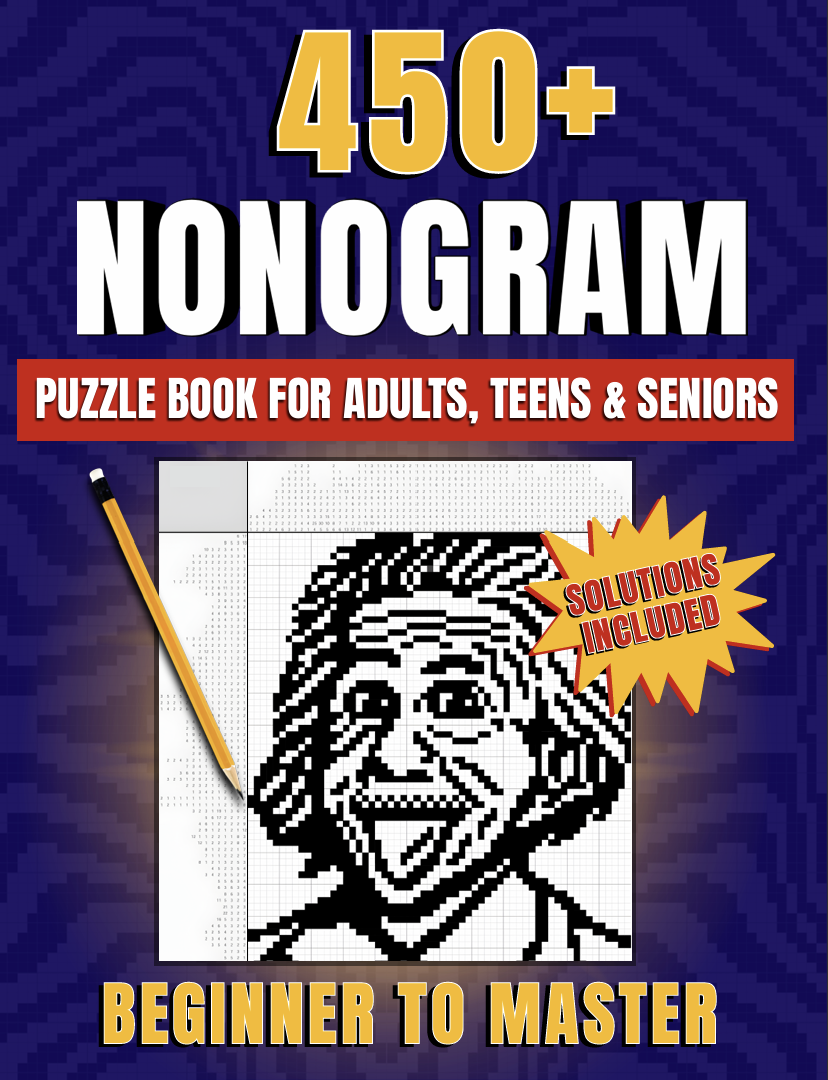
One letter a month. Worth opening.
Every new article, puzzle techniques and atelier notes — straight to your inbox.