
Do logic puzzles really improve memory?
The research is more nuanced than the headlines suggest. Here is what science actually says about puzzles and cognitive health.
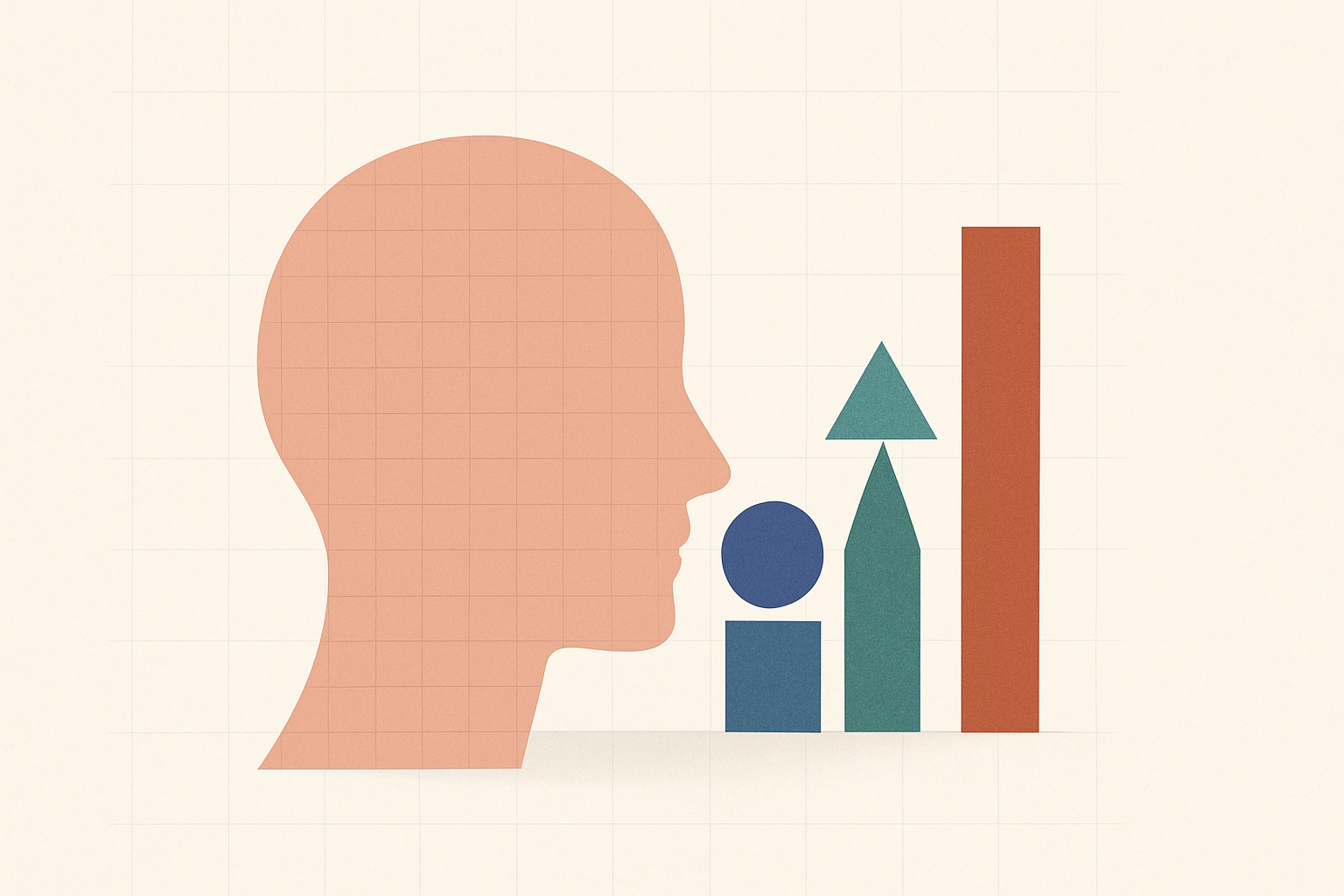
Type “do puzzles improve memory” into any search engine and the headlines will promise you a new brain by Friday. The honest answer — the one worth building a daily habit on — is more interesting than the hype.
The short answer
Logic puzzles will not turn you into a different person. What the research consistently shows is narrower and, frankly, more useful: puzzles train the exact mental skills you practice — sustained attention, working memory (holding several constraints in mind at once), and systematic reasoning. Do them regularly, and those specific muscles get stronger.
What actually happens when you solve
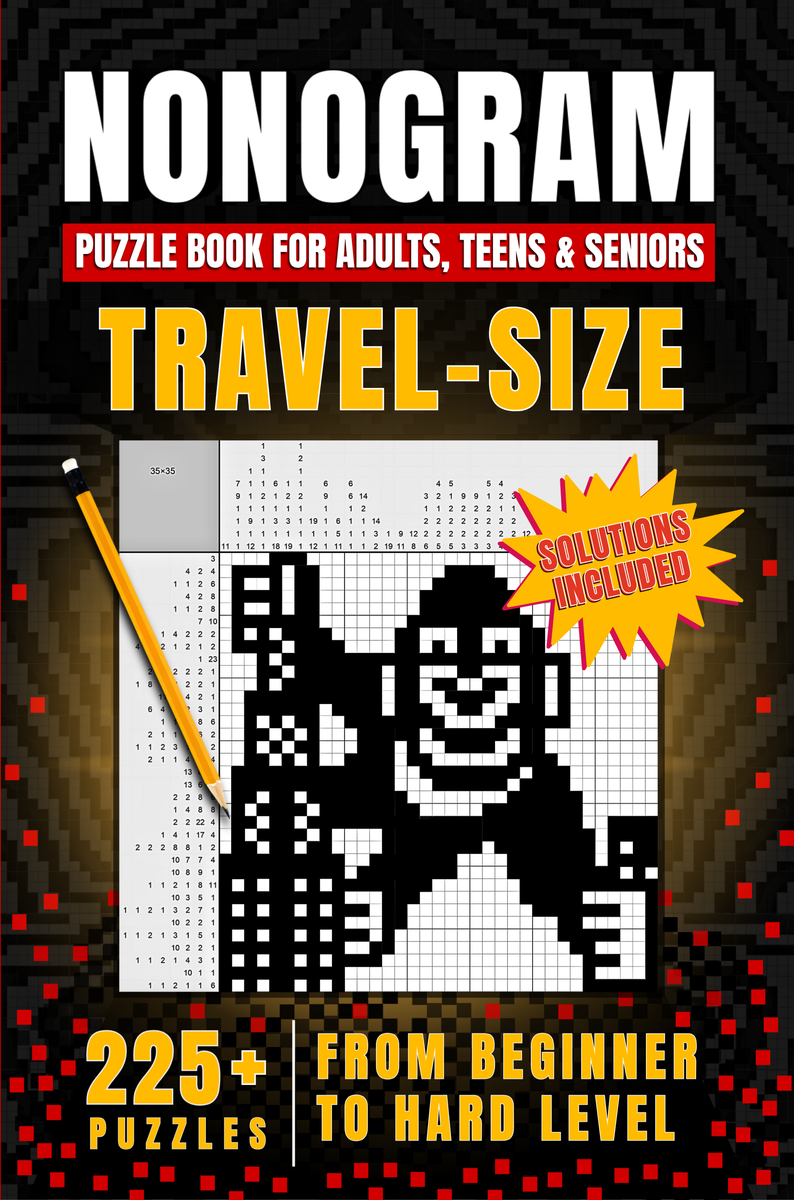
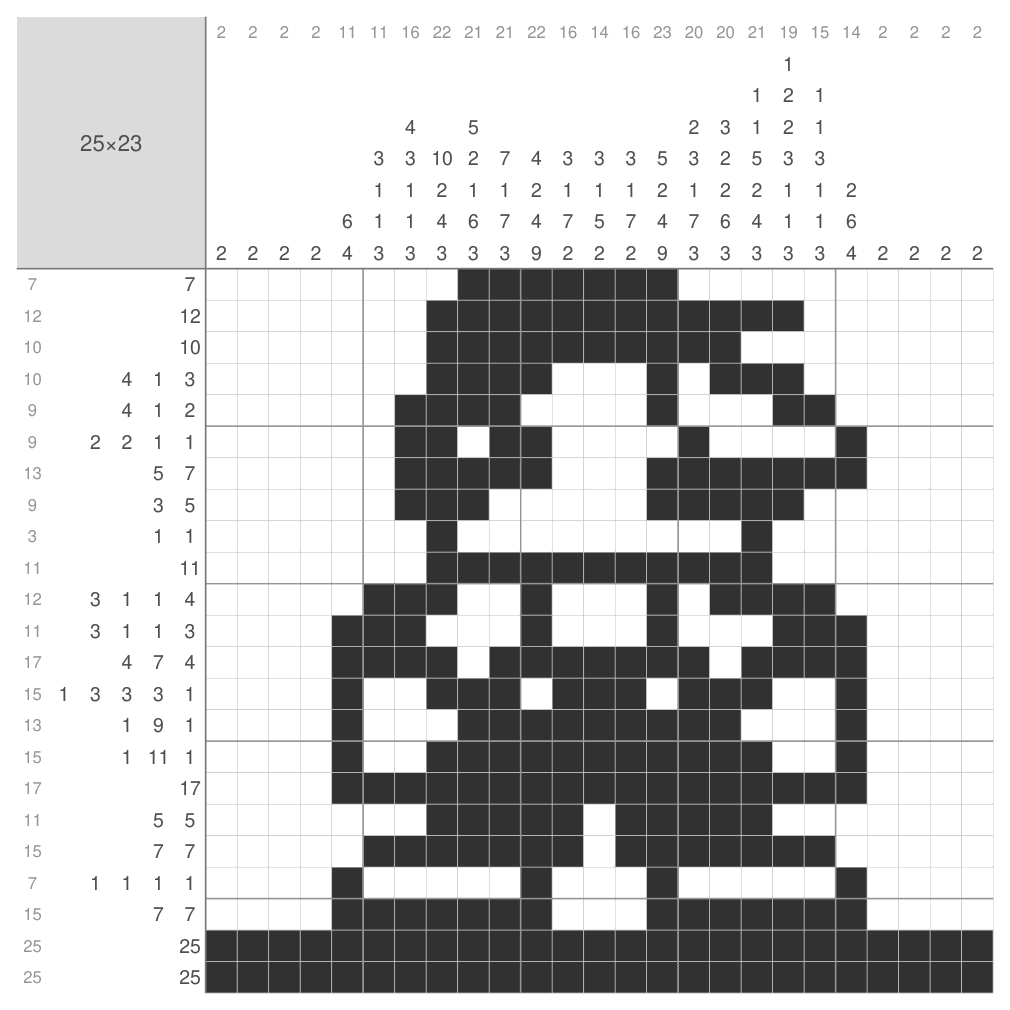
Take a nonogram. To make progress you must hold a row clue in mind, compare it against a column clue, remember which cells you eliminated, and plan two or three deductions ahead. That is working memory under load — the same capacity you use to follow a recipe, an argument, or a spreadsheet.
Studies on brain-training draw one big line: skills transfer close, not far. Crossword veterans get better at words; grid-puzzle solvers get better at spatial-logical reasoning. The dream of “one game that upgrades everything” hasn’t survived the evidence. But close transfer is not a consolation prize — attention and working memory are the infrastructure of every demanding thing you do.
The benefit nobody markets: the state of mind
There is a second effect that rarely makes the headlines. A paper puzzle is a single-tasking machine. No notifications, no timer, no feed. Twenty minutes inside a grid is twenty minutes of practiced, voluntary focus — and most of us get almost none of that in a day. Many of our readers describe it as meditation with a pencil: the calm is real even before any cognitive benefit kicks in.
How to actually get the benefits
- Little and often beats heroic. Fifteen focused minutes a day outperforms a two-hour binge on Sunday.
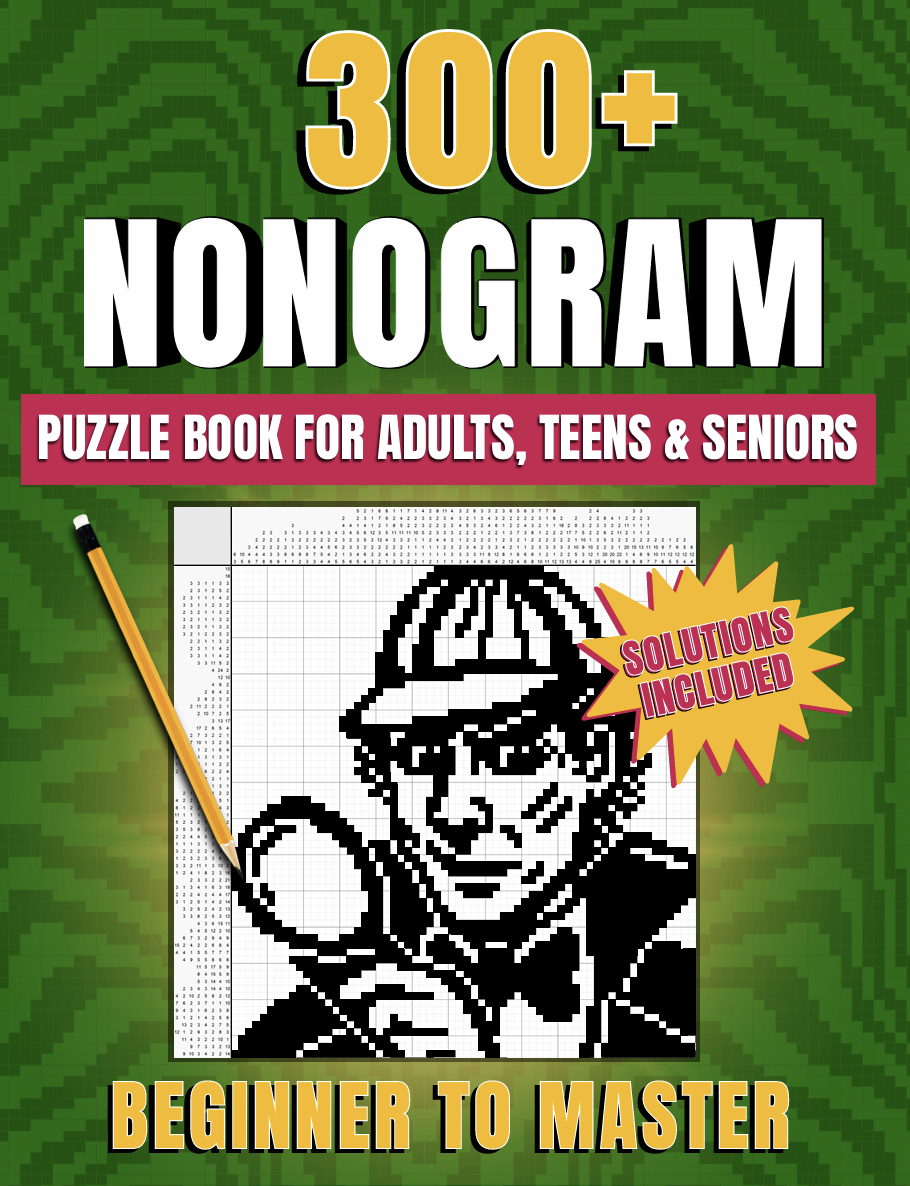
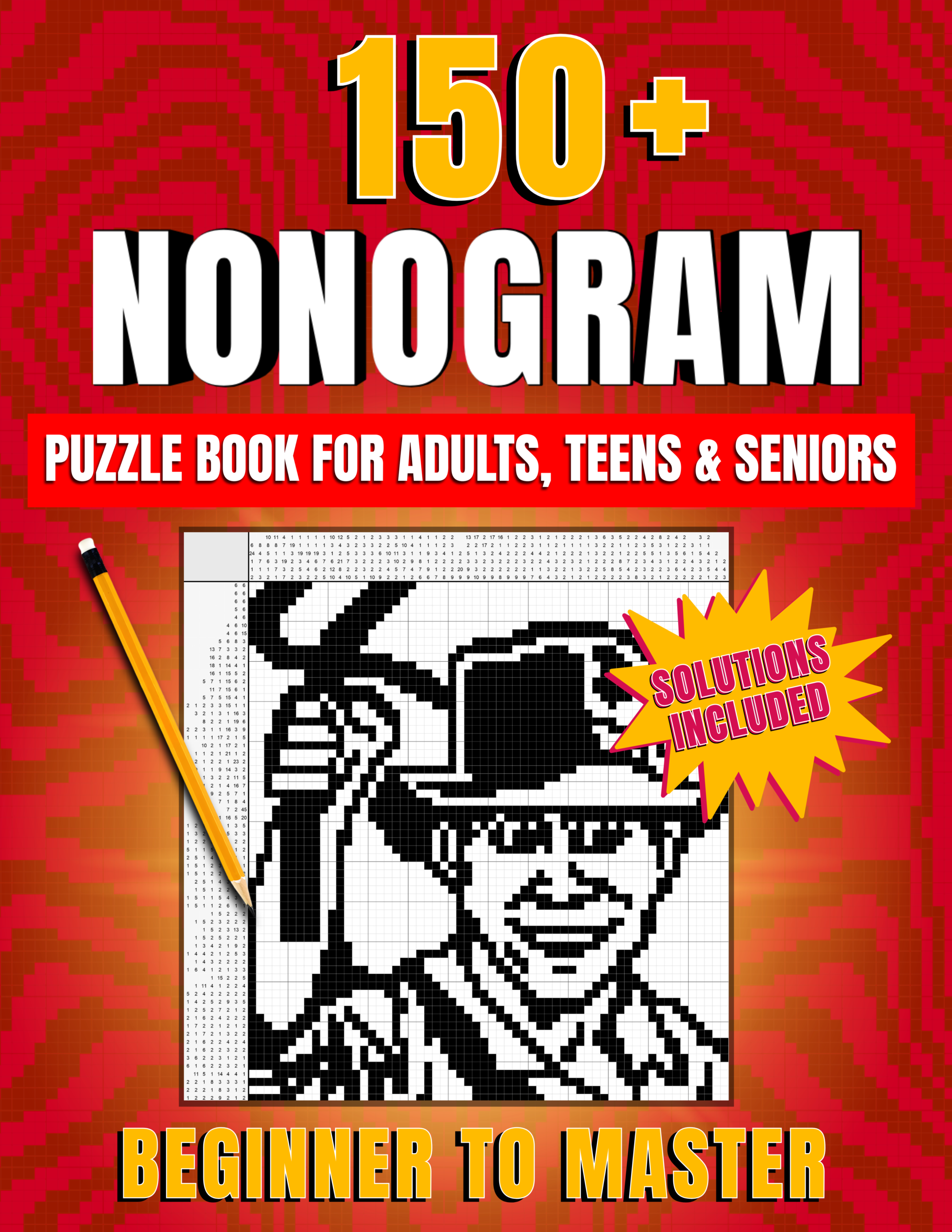
- Climb, don’t coast. The benefits live at the edge of your ability. When 10×10 grids feel automatic, move up — that is why our books are built on six rising difficulty levels.
- Prefer deduction over recognition. Puzzles you must reason through (nonograms, kakuro, logic grids) load working memory harder than pure pattern-spotting.
- Paper helps. No autocomplete, no hint button — your brain does all the lifting.
The bottom line
Will logic puzzles improve your memory? They will train your working memory, your attention and your reasoning — measurably, on the skills you practice — and they will hand you a daily pocket of deep calm that modern life has quietly deleted. That combination is why we print them.
If you want to feel it rather than read about it, try fifteen of our puzzles free, or start with the beginner’s solving guide.
The Logic Atelier publishes the books featured on this site. Some links lead to Amazon, where our titles are sold.

Maximiliano Leyton Gaggioli
Founder, editor and designer of The Logic Atelier. Trained as an architect, he designs the grids, tests every puzzle, draws the pixel art and answers the mail — the atelier is small on purpose.
More about the editorial →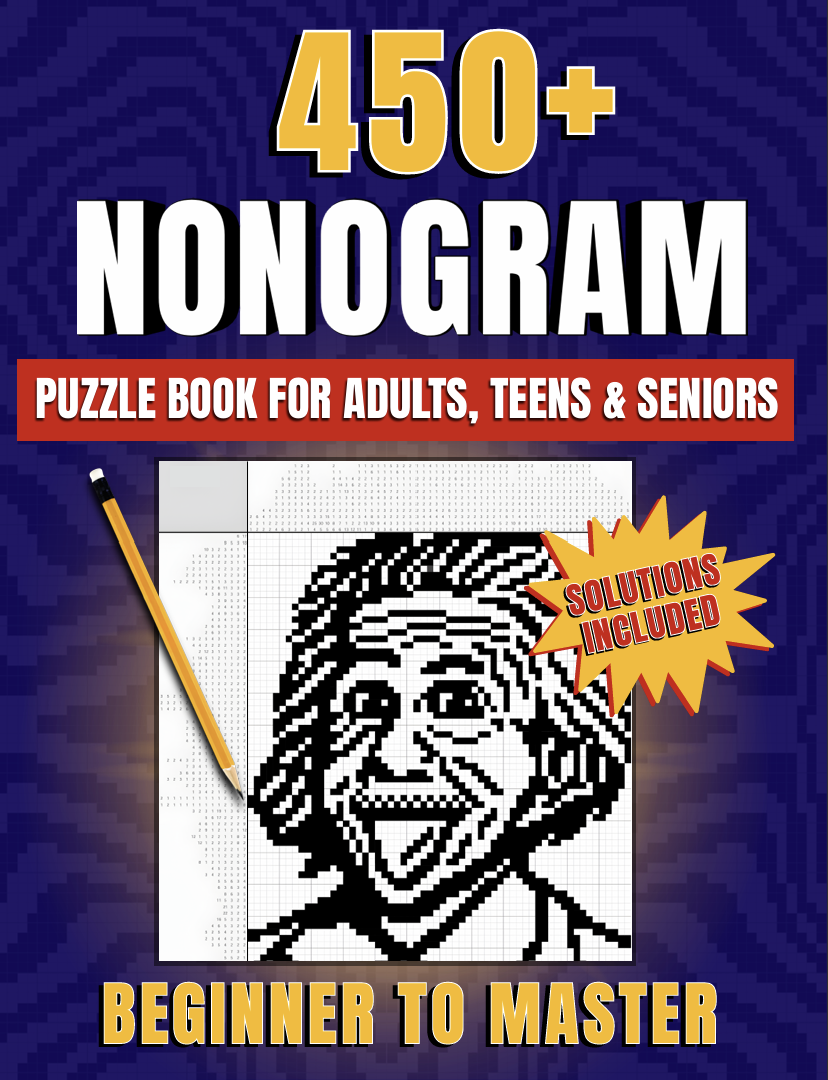
One letter a month. Worth opening.
Every new article, puzzle techniques and atelier notes — straight to your inbox.